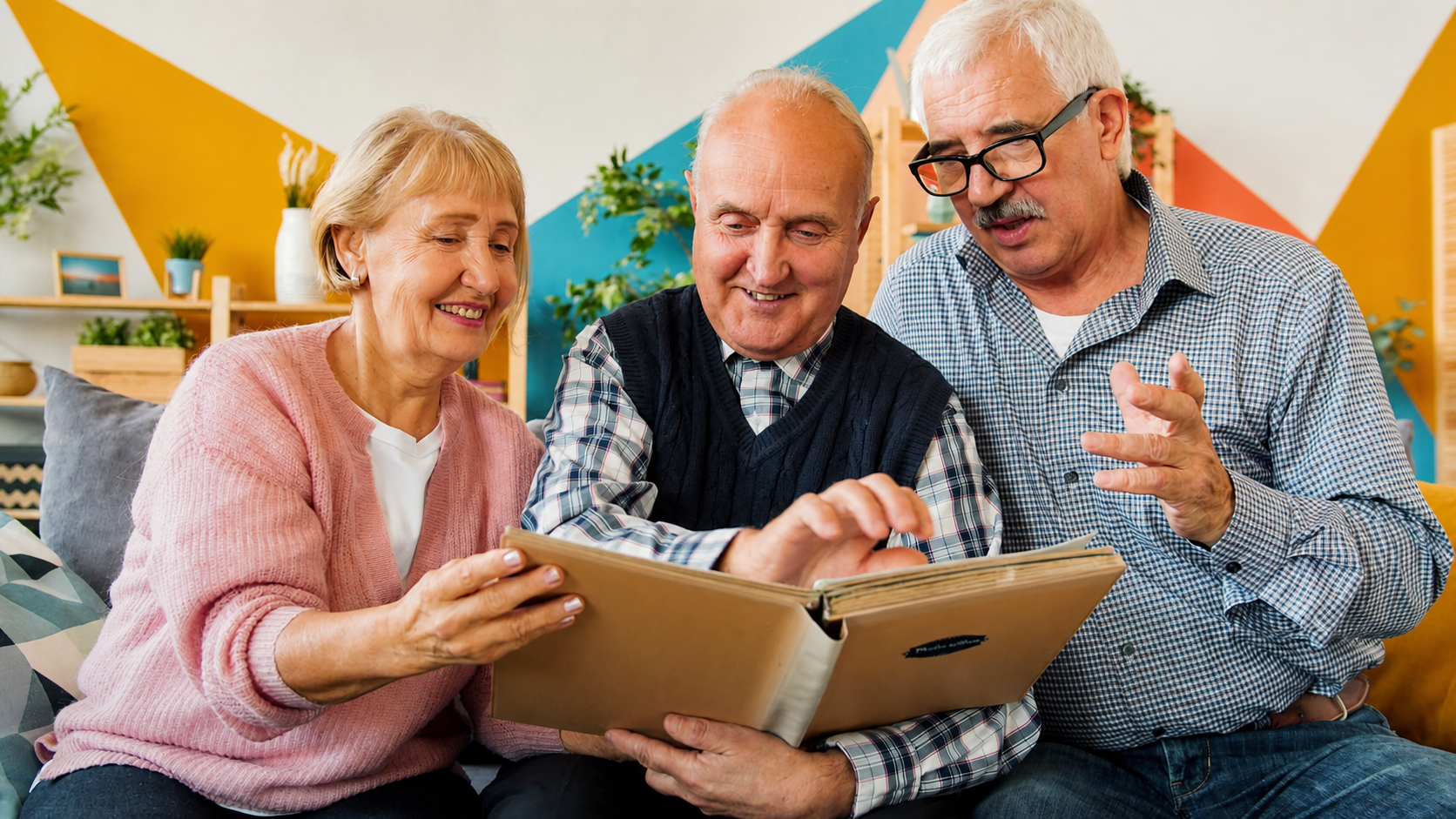
Senior living looks different than it did even five years ago. Communities are being designed around how people actually want to live rather than around a schedule that suits the building, and the changes show up in small, daily ways: what is for lunch, who you eat it with, whether your dog can come, and whether anyone notices when you skip a meal.
The National Apartment Association's 2026 senior housing trends overview describes a sector being reshaped by cultural reinvention, new residential models, cognitive health, and older adults entering senior housing later in life with higher expectations. Those broad forces become tangible in the everyday experience of a community.
Here are ten shifts reshaping that experience, what they mean for residents and families, and what makes each one work behind the scenes.
1. Communities Feel More Like Hotels Than Institutions
Lobbies look like lounges. Staff are trained in hospitality, not just care. Older adults touring today are comparing communities to boutique hotels and resorts rather than the nursing homes they remember visiting decades ago. That is why more senior living operators are thinking like hoteliers, treating service consistency and personalization as operating disciplines rather than decor choices.
What Makes It Work
Consistency. The difference between a great hotel and an average one is not effort on a good day. It is the same experience on a Tuesday in February as on a Saturday in June.
2. Dining Is No Longer One Room at One Time
The single large dining hall with three fixed seatings is giving way to bistros, cafes, grab-and-go counters, and flexible hours. Residents eat when they are hungry rather than when the bell rings, and they can choose where.
What Makes It Work
Every venue has to know the same things. A dietary restriction must be just as correct at the cafe at three in the afternoon as it was at breakfast, and menus across every dining display have to stay current as items, prices, and availability change.
3. Food Is Being Treated as Part of Health
Menus are increasingly designed around outcomes as well as taste, with communities building programs around heart health, cognition, and longevity. Some use simple visual cues on menus to guide residents toward better choices without lecturing anyone. This reflects a larger shift toward treating senior living dining as a health strategy, not only a hospitality amenity.
What Makes It Work
The kitchen and the care team need to see the same resident. Nutrition strategy depends on dietary needs and health changes reaching the people planning and serving meals.
4. Wellness Became the Point, Not a Perk
Fitness classes, meditation, cognitive programming, and full-time wellness staff are now standard rather than premium. Today's residents arrive more engaged in their own health than any generation before them, and they expect a community to support that rather than simply manage decline.
What Makes It Work
Teams have to notice small things early. Someone eating less, moving less, or skipping activities they used to love is meaningful information, and it usually appears in several departments before anyone connects it. Operational intelligence can help leaders see those patterns together instead of waiting for isolated observations to become a crisis.
5. People Are Moving In Later and Staying Longer
Residents are entering communities at older ages and aging in place within them, which means independent living now supports needs it was not originally designed to handle. A resident may arrive fully independent and later need help that crosses dining, mobility, wellness, and care.
What Makes It Work
Staffing must follow real needs rather than last year's assumptions. Care levels change quietly, and schedules, service plans, and billing all have to keep up without requiring the resident to start over somewhere else.
6. The Best Technology Is the Kind You Never Notice
The most useful technology is not always another tablet or gadget residents have to learn. It can be lighting that responds to movement at night, a stove that shuts itself off, or a sensor that detects a fall without recording a camera image.
AARP's technology research on adults age 50-plus shows growing use of digital tools that support independence, well-being, and connection, while also identifying usability, privacy, and age-inclusive design as persistent barriers. The technology residents accept is often the technology that solves a real problem without demanding attention.
What Makes It Work
Connection. A smart device on its own is a gadget. Connected to the people who need to know something happened, it becomes safety.
7. Families Want to Understand the Bill
Adult children are more involved than they used to be, and one of the most common frustrations is not the cost itself. It is the confusion. A base rate, a care package, and a handful of incidental charges can produce a statement nobody can fully explain.
What Makes It Work
Charges have to land correctly the first time. A clear bill at month end depends on every cafe purchase, salon visit, guest meal, and service change reaching the right account when it happens.
8. More Options Are Emerging for the Middle
A large group of older adults earns too much to qualify for subsidized housing and not enough for luxury pricing. Communities are responding with smaller footprints, rental models without large entry fees, and service packages residents can choose from rather than pay for wholesale.
What Makes It Work
Precision. These models run on thinner margins, so small inefficiencies matter more than they would elsewhere. Operators need to know what services residents actually use, what those services cost to deliver, and where administrative work is quietly eroding the model.
9. Solo Agers Are Getting Real Support
More people are aging without a spouse or nearby children. Communities are building around that reality with concierge-style help, peer networks, and transportation rather than assuming a family member is handling the details.
What Makes It Work
The community has to hold the whole picture. When no relative is tracking appointments or asking about the bill, the community's own record must be complete enough to support the resident consistently across departments and shifts.
10. Purpose Is Programming
Intergenerational partnerships with schools, volunteering, lifelong learning, and resident-led clubs are moving to the center of community life. Loneliness is now understood as a health risk rather than merely a mood. The U.S. Surgeon General's guidance on the health effects of social connection notes that chronic loneliness and social isolation among older adults are associated with a substantially higher risk of dementia, along with other serious health consequences.
What Makes It Work
Staff need time. Connection is built in unhurried moments, and those moments only exist when the day is not consumed by paperwork and preventable administrative work.
What Families Might Ask on a Tour
If you are visiting communities, these trends turn into useful questions:
- How many places can a resident eat, and how flexible are the hours?
- What happens to a resident's preferences when the staff member who knows them is off?
- How does the community notice when someone's routine changes?
- Can someone walk you through a sample monthly statement, line by line?
- What does support look like for a resident without nearby family?
- How does the community handle a resident whose needs increase over time?
The Thread Running Through All Ten
Read the trends together and something becomes clear. Nearly every one depends on a community knowing its residents well and acting on what it knows.
A dietary preference has to survive a shift change. A change in routine has to be visible to someone. A charge has to be right the first time. None of that is glamorous, and none of it appears in a brochure. But it is the difference between a community that promises personalized service and one that consistently delivers it.
The communities people talk about are rarely the ones with the newest lobby. They are the ones where residents feel known, and being known at scale takes more than good intentions.
If you want to see how the Genesis Platform connects dining, billing, resident information, and daily operations so information follows the resident, take a look.
Experience Genesis Platform Now
Or if you would like to talk through how these trends apply to your own community, request a discovery call and we will work through it together.
Sources: National Apartment Association, Senior Housing Trends in 2026; AARP Technology Trends Series; U.S. Department of Health and Human Services, Social Connection.