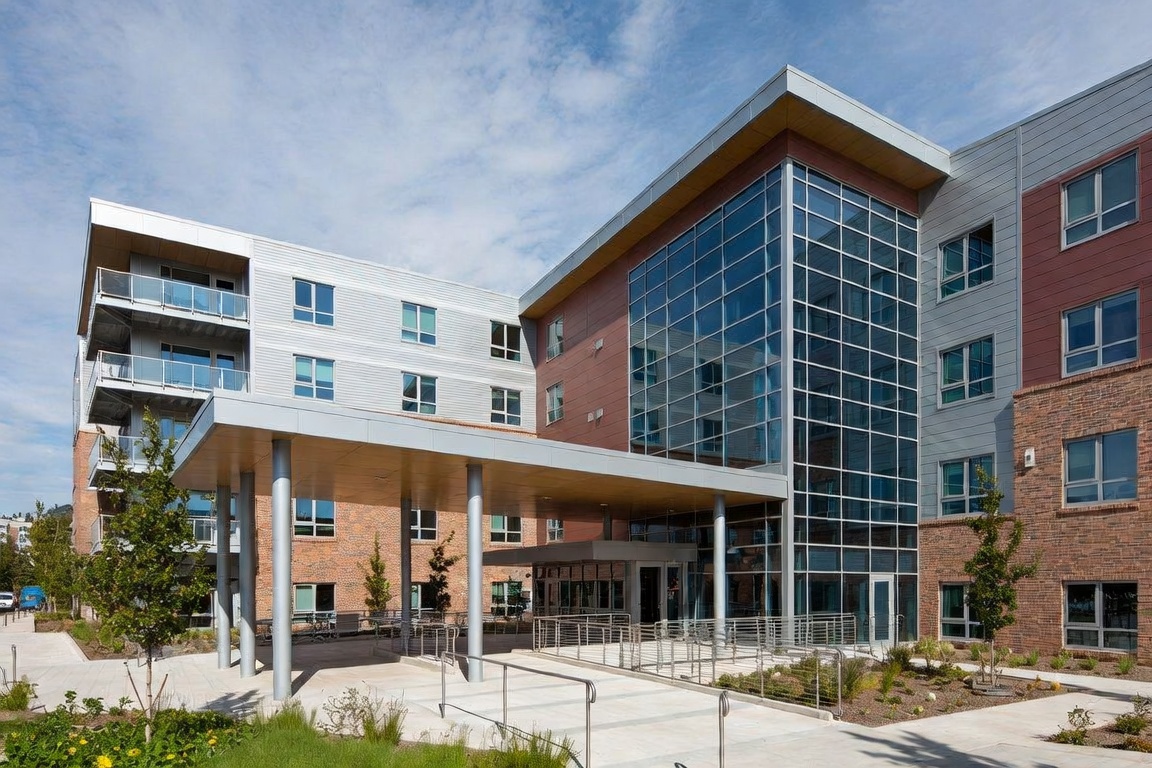
Here is a number that should make every senior living operator pause: the average age of a senior housing property in the United States is 24 years. The typical move-in age is around 80. That means the average community was effectively designed for someone who would be 104 years old today.
Think about that. The building your team operates in every day was designed for a generation that had very different expectations about what retirement living should look and feel like. The hallways, the dining rooms, the apartment layouts, the technology infrastructure, the common areas — all of it was built for a resident who no longer represents your incoming population.
The baby boomers are here. The oldest turned 80 in 2026. And they are not settling for what worked 24 years ago.
A Different Kind of Resident Is Walking Through Your Door
Previous generations approached senior living with quiet acceptance. They were grateful for safety, basic care, and a clean room. They did not demand much beyond the fundamentals because that was the standard they grew up with.
Baby boomers are nothing like that.
This generation brings consumer expectations shaped by decades of market competition and personal autonomy. They have spent their entire adult lives choosing between competing products and services. They read reviews. They compare options. They know what good service looks like because they have experienced it everywhere else in their lives — from hotels to restaurants to healthcare.
When they walk into a senior living community, they are not just evaluating whether it is safe. They are evaluating whether it meets the standard of living they have come to expect. And for many communities built two decades ago, the answer is no.
What Boomers Actually Want
The shift in expectations is not subtle. It is fundamental.
Space is at the top of the list. Boomers are accustomed to having room. They want two-bedroom apartments, not one. They want kitchenettes, walk-in closets, and living areas that feel like home, not like a hospital room. One senior housing executive described it simply: boomers are used to more space, more amenities, and more of everything. Their expectations are definitively different from the generation before them.
Technology is no longer a nice-to-have. It is baseline infrastructure. Boomers are the most technologically fluent generation to ever enter senior living. Many are still working part-time or full-time when they move in. They expect high-speed wifi throughout the entire campus, smart home controls, video calling capability, and seamless digital communication with staff and family. Communities that still rely on paper sign-up sheets and bulletin board announcements are speaking a language this generation does not understand.
Wellness has replaced medical care as the primary focus. Boomers are not looking for a place to be treated. They are looking for a place to thrive. They want fitness programs, nutritional support, mental health resources, and holistic wellness plans. They expect preventive care, not reactive care. They want to feel like they are investing in their health, not surrendering it.
Purpose and engagement matter more than amenities. The newest research from industry groups shows that boomers seek places where they can live better and be less willing to settle for aging hardships that can be solved. They want to matter. They want community involvement, educational opportunities, social connection, and a sense of belonging that goes far beyond bingo nights and movie screenings.
Lifestyle over institution. Senior living is becoming more lifestyle-driven, resembling hospitality and boutique living models more than traditional care facilities. Boomers are choosing communities the way they choose hotels — based on experience, culture, and reputation. The communities that understand this are winning. The ones that still operate like institutions are losing residents to competitors who feel more like home.
The Widening Split Between Operators
This shift in expectations is creating a clear divide in the industry. On one side are experience-led operators who earn occupancy and pricing power through consistency, integration, and execution. On the other side are capacity-led operators who rely on discounts and concessions to fill beds.
The experience-led operators are the ones investing in modernization, staff training, technology, and resident engagement. They are redesigning common areas, upgrading dining programs, integrating smart home technology, and creating wellness-centered programming. They are building communities that boomers actively choose.
The capacity-led operators are the ones banking on demographics alone to fill their buildings. They assume that the sheer volume of aging boomers will bring residents to their door regardless of the product quality. But as one industry executive put it bluntly: demographics alone will not save a weak product.
The boomers are rewriting the rules. And they will not wait for operators to catch up.
The Numbers Behind the Urgency
The scale of this demographic shift is staggering.
The 80-and-over population in the United States is projected to increase at a rate of 4.6 percent per year through 2030. That kind of sustained growth in a single age cohort is extraordinary. The senior housing industry will need an estimated 806,000 additional units by 2030 just to maintain current market penetration rates.
But new construction is not keeping pace. Development pipelines remain thin by historical standards, and construction costs continue to rise. That means the existing inventory — the 24-year-old buildings designed for a different generation — will need to serve a population that expects something fundamentally different.
At the same time, approximately 78 percent of baby boomers plan to stay in their homes longer than previous generations specifically because of a lack of suitable senior housing options. They are not aging in place by choice. They are aging in place because the available communities do not meet their standards.
That is a massive indictment of the current product. And it is a massive opportunity for operators who get it right.
What Modernization Actually Looks Like
Modernization does not necessarily mean tearing down buildings and starting over. For many operators, it means strategic upgrades that align the existing product with boomer expectations.
Start with technology infrastructure. High-speed internet is not an amenity. It is a utility. Every resident room, common area, and staff workspace should have reliable, fast connectivity. Beyond wifi, communities should be integrating unobtrusive technologies like passive health monitoring, smart lighting, fall detection, and digital communication platforms. The key word is unobtrusive — boomers want technology that enhances their lives without making the environment feel clinical.
Rethink your dining program. Boomers are foodies. They have spent decades eating at restaurants, trying new cuisines, and valuing the dining experience. A senior living dining room that serves the same rotating menu with no choice and no flexibility will not cut it. Communities that offer restaurant-style dining, seasonal menus, dietary customization, and resident input on meal planning are seeing higher satisfaction scores and stronger word-of-mouth referrals.
Redesign common spaces for engagement, not just capacity. The traditional multipurpose room with folding chairs and a projector screen does not inspire community. Boomers want spaces that feel intentional — libraries, art studios, fitness centers, outdoor gathering areas, coworking spaces, and social lounges. These spaces signal that the community values the way residents spend their time, not just where they sleep.
Invest in your people. No amount of physical renovation will compensate for a disengaged or undertrained staff. Boomers expect responsiveness, warmth, and professionalism from every interaction. Communities that invest in staff training, retention programs, and technology that reduces administrative burden are creating the kind of consistent experience that earns loyalty and referrals.
Update your operations. Many communities are still running their back-end operations on systems that are as outdated as their buildings. Scheduling on whiteboards. Tracking complaints on sticky notes. Managing inventory through spreadsheets. These operational gaps are invisible to residents but they directly impact the quality of experience your team delivers. When staff spend half their shift navigating disconnected systems, residents feel it in slower response times, inconsistent service, and unresolved issues.
The Opportunity Is Enormous — For Those Who Act
The senior living industry is sitting on one of the largest demographic tailwinds in American history. The demand is real, it is growing, and it will continue growing for the next 15 years.
But demand alone is not enough. The operators who capture this opportunity will be the ones who understand that boomers are not just looking for a place to live. They are looking for a place that reflects who they are — active, engaged, tech-savvy, health-conscious, and unwilling to settle.
The buildings may be 24 years old. But the expectations walking through the door are brand new. The question is whether your community is ready for them.