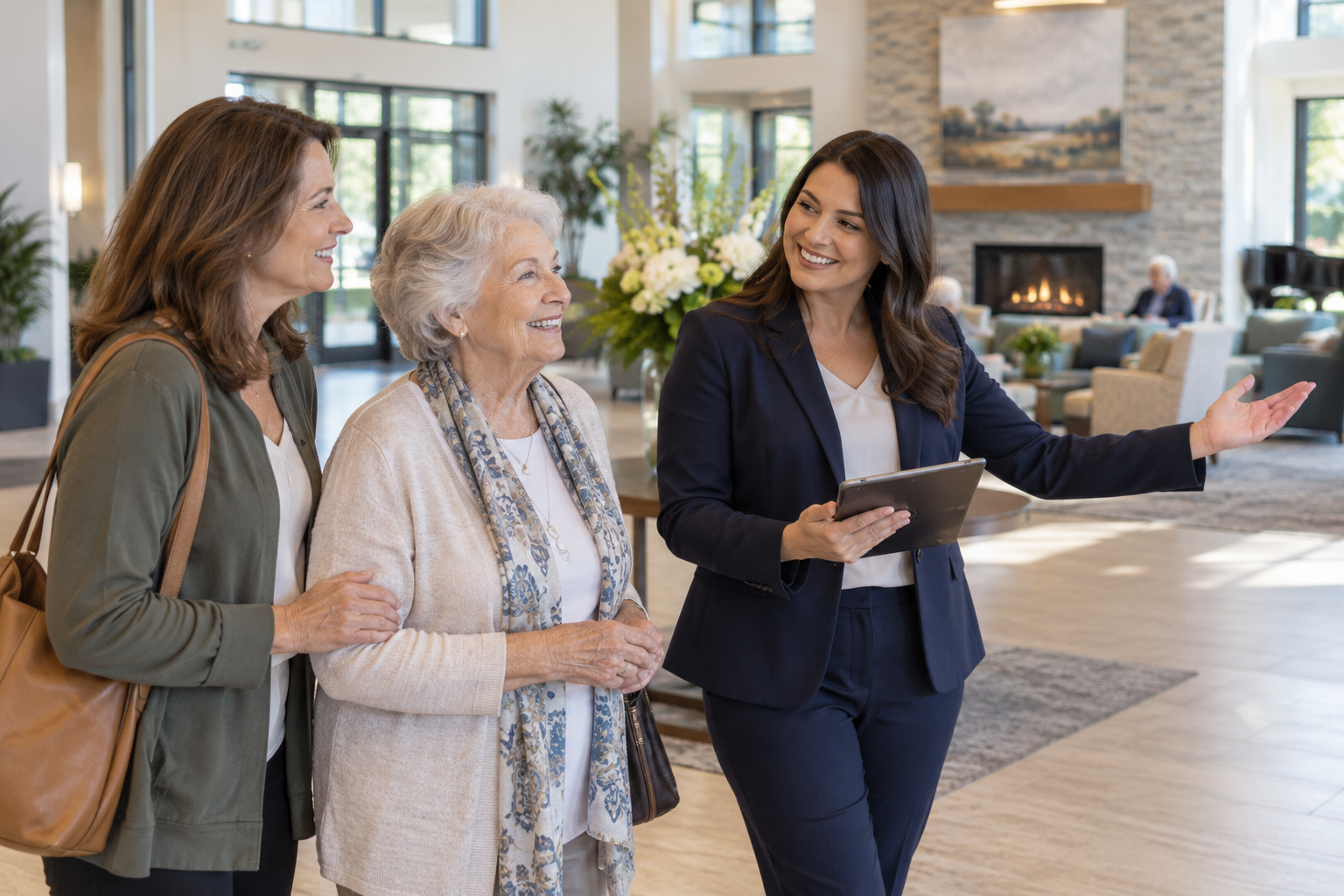
A daughter calls to ask whether her father could keep his morning routine and join meals without feeling rushed. Two days later, she arrives for a tour. The guide starts with a standard presentation and never mentions either question. The community may offer exactly what the family needs, but the handoff has lost the context that would show it.
The senior living inquiry-to-tour handoff is where initial interest becomes a personal conversation. It should carry the family's priorities, not just a name and appointment time. A simple process can make the tour more relevant without turning it into a scripted sales pitch.
This is also a chance to correct assumptions. A caller may have seen outdated information online or misunderstood a service. A prepared guide can address that respectfully before it becomes an obstacle.
Capture the Reason Behind the Inquiry
Ask what prompted the search, what the prospective resident values, and which questions are still open. The census growth solution is relevant because inquiries, follow-up, and tour preparation are connected steps. Record the caller's preferred contact method and whether they are deciding with others.
Avoid assuming the first caller speaks for the future resident. Where possible, learn the resident's own preferences and respect permissions around personal information. Do not record sensitive clinical details in a general lead note; route those questions through the community's appropriate assessment process.
Prepare the Tour Around Priorities
Before the visit, the guide should see a brief, accurate summary: why the family reached out, what they asked, what was promised, and who owns unanswered questions. SIAssist is a network resource for support-oriented coordination, but the key is a disciplined handoff between people.
The summary can guide a flexible route. If dining matters most, make time to see the dining space and discuss actual choices. If independence is the concern, show how daily routines work rather than relying on broad claims. Our article on what families search before calling a community underscores the value of answering the question behind the question.
Keep Promises and Open Questions Visible
During the tour, note any commitments: a price clarification, a follow-up with dining, or a second visit. Assign each one an owner and a date. The article on why a senior living website loses leads also points to the importance of carrying intent through the next step, not merely collecting a form submission.
Send a follow-up that reflects the conversation. A generic brochure cannot answer a specific concern about routine, community life, or services. Where the answer requires qualified staff, say who will respond and when.
Review the Handoff, Not Just Tour Volume
Ask recent visitors whether the tour addressed their original questions. Review how often the guide received useful context before arrival and how many promised follow-ups were completed. ServingIQ is a network resource for broader operational visibility, while a local review can pinpoint the missing handoff.
One clear note, one prepared guide, and one owner for the next step can make the experience feel genuinely attentive. To map where inquiry context is lost in your operation, request a focused review.