A four-hour shift can be a smart answer to a two-hour rush. It can also create a new question: who finishes the work when the person covering that rush leaves? Senior living teams should judge shorter shifts by both the coverage they add and the handoffs they create.
Micro-shifts may fit dining peaks, activity setup, transportation arrivals, or other predictable demand. They are less useful when the work requires sustained resident relationships or an unclear finish line.
Define the Demand Window
Start with a specific pattern, not a generic shortage. Count arrivals, service requests, delayed tasks, and overtime by hour. The dining peak-hour staffing guide shows how a broad staffing total can hide the period when service actually falls behind.
Choose one pilot window and state what the additional employee will own. A short shift assigned to "help wherever needed" can dissolve into interruptions. A shift with a clear opening, task list, and closeout is easier to train and evaluate.
Build Overlap Into the Schedule
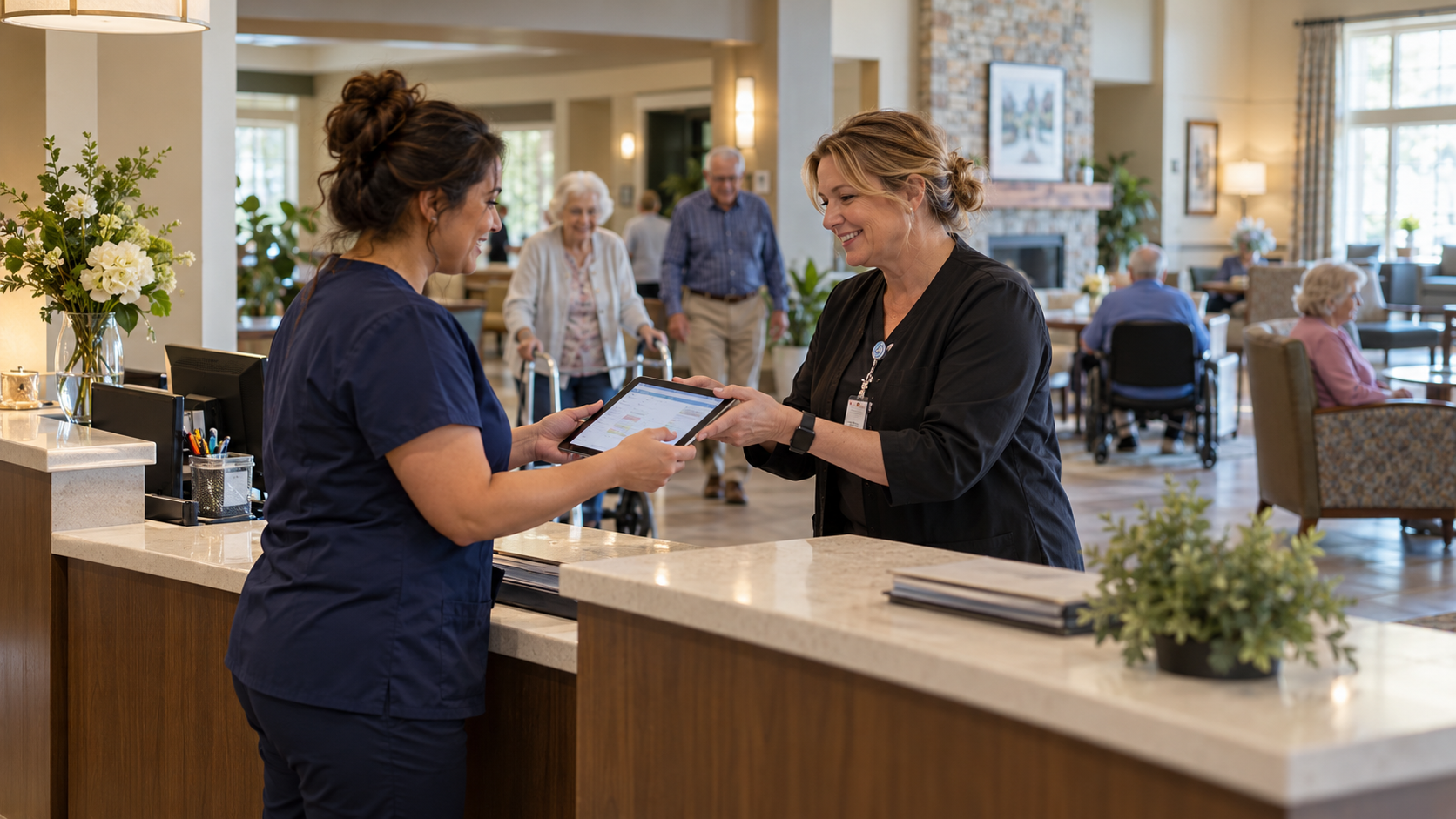
The worker should not arrive after the rush has started or leave with no time to hand off open work. Give the incoming and outgoing staff a brief overlap. Use the shift handoff checklist to identify the few details that matter: unfinished requests, changes in resident preferences, and who will respond next.
Keep the handoff in an approved system rather than relying on memory or a private message. SIAssist is a network support resource, while the local manager remains responsible for making sure a task has a named owner.
Protect Role Boundaries
A shorter schedule is not permission to skip orientation or ask staff to perform work beyond their training. Define which duties require authorization and which can be safely shared. If a micro-shift worker covers dining or the front desk, tell residents where to go when that worker is off duty.
A simple pilot plan should name:
- The demand period and service goal.
- The tasks included and excluded.
- The person receiving unfinished work.
- The minimum overlap for handoff.
- The measure that would end or expand the pilot.
The operational intelligence solution can help connect work patterns across teams. ServingIQ is another network resource for examining operational signals, but the schedule should still be reviewed with the people doing the work.
Judge the Whole Shift, Not Just the Peak
Compare wait time, overtime, missed follow-ups, and employee feedback before and after the pilot. A faster lunch service is not a win if unresolved resident requests pile up at 2 p.m. Ask whether the short shift improved the experience for both residents and the full-time team.
Check how often employees accept or decline the schedule. Flexibility is valuable only when it works for the people filling the hours. A weekly operations review is a place to revisit the pilot and adjust it before a temporary fix becomes a permanent blind spot. Write down what the pilot changed for the next shift, not only what it changed during the rush.
To map service demand and handoffs in your community, request a focused review.